100 Milers
Best 100-Mile Races for Your First 100 in 2027
Five races worth considering when you're ready to make the jump to 100 miles, and how to decide which one actually fits you.
RaceBound Editors | Oct 16, 2026 | 10 min read
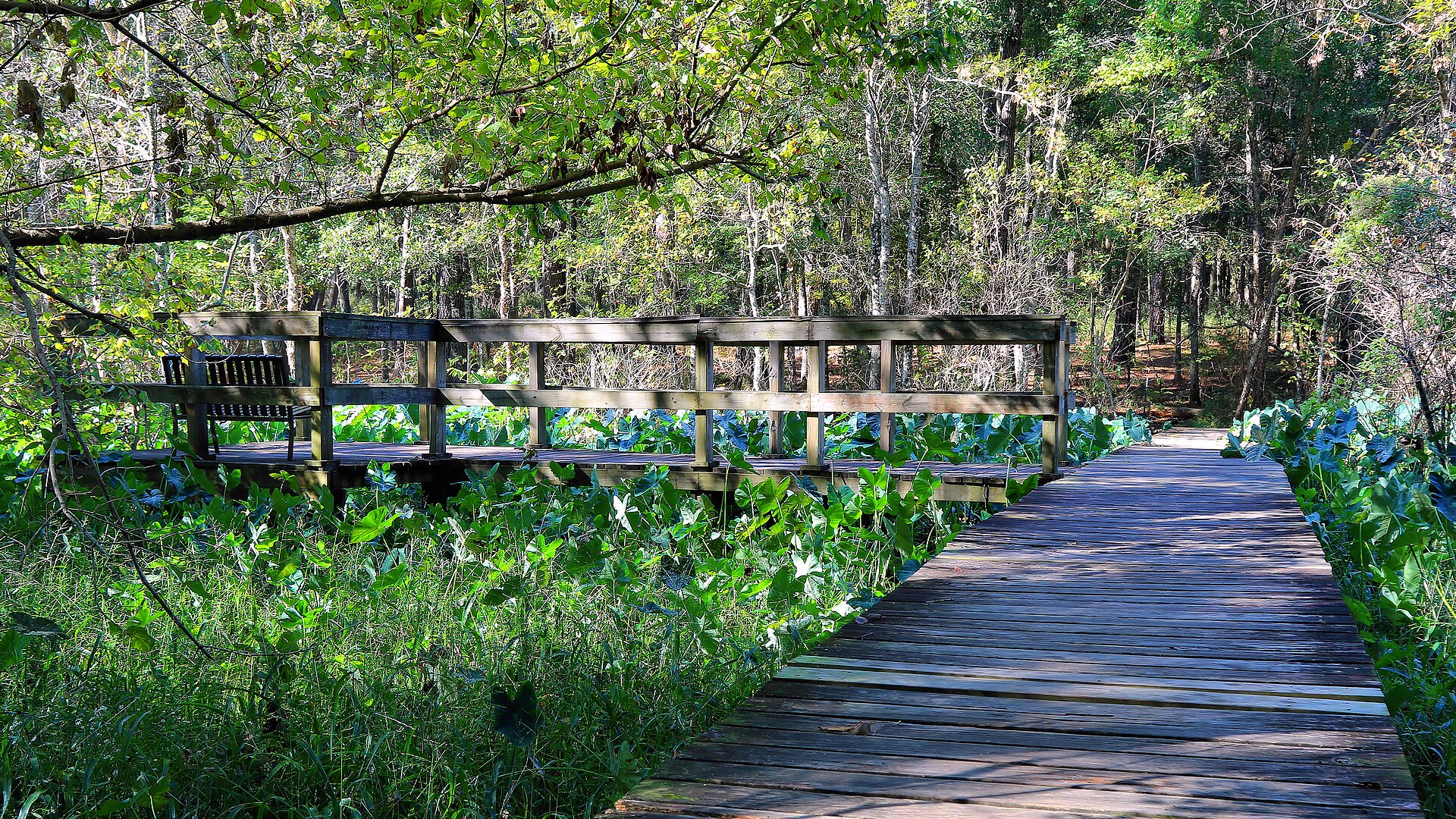
There is no easy 100 miler.
Even a relatively flat course asks you to keep moving for an entire day, and often into a second one. Your feet, stomach, pacing, gear and motivation all have to cooperate.
But some races remove more variables than others. For your first 100, that matters.
The best first 100 isn't necessarily the race with the least elevation. Course format, altitude, terrain, cutoff times, aid stations, weather and crew access can all dramatically change the experience.
That's why this isn't simply a list of the "easiest" 100-mile races. We've chosen five races that offer different combinations of manageable terrain, reasonable altitude, established support and first-timer-friendly logistics.
The goal isn't to find the easiest 100. It's to find the right first 100 for you.
The Quick Picks
Best all-around first 100
Manageable elevation, strong support and a looped format make it one of the most approachable ways to tackle the distance.
Best for atmosphere
A runnable desert course wrapped inside one of ultrarunning's biggest parties.
Best if you want less climbing
Tunnel Hill 100
A crushed-limestone rail trail with very little climbing or altitude.
Best if you still want mountains
A genuine Pacific Northwest mountain 100 without the extreme altitude of races such as Leadville.
Best controlled environment
Eight repeatable laps, frequent support and an event specifically welcoming runners making the transition to 100 miles.
What Makes a Good First 100?
"Beginner friendly" doesn't necessarily mean flat.
A very runnable course may require you to run far more than a mountain race, while climbing can create natural opportunities to hike and change muscle groups.
Instead of looking at one difficulty number, consider the problems the race will ask you to solve.
Elevation
Total climbing matters, but so does how it's distributed. Rolling terrain can actually work well in a first 100 because the climbs naturally encourage hiking. Several enormous mountain climbs create a very different challenge.
Altitude
Elevation gain and altitude aren't the same thing. You can accumulate thousands of feet of climbing while staying relatively close to sea level.
For runners who don't live or train at elevation, avoiding prolonged high altitude removes another major variable from a first attempt.
Course format
Loops can make a first 100 much simpler. You learn the course, repeatedly access familiar aid stations and make things considerably easier for your crew.
The downside is mental: passing the same places several times can become difficult late in the race.
Crew and aid
Frequent aid stations and good crew access mean fewer logistical problems to solve while you're exhausted. That's particularly valuable when you're still learning what your body needs after 12, 18 or 24 hours of movement.
1. Rocky Raccoon 100
Best all-around first 100
Huntsville State Park, Texas
Rocky Raccoon is one of the classic first-100 choices.
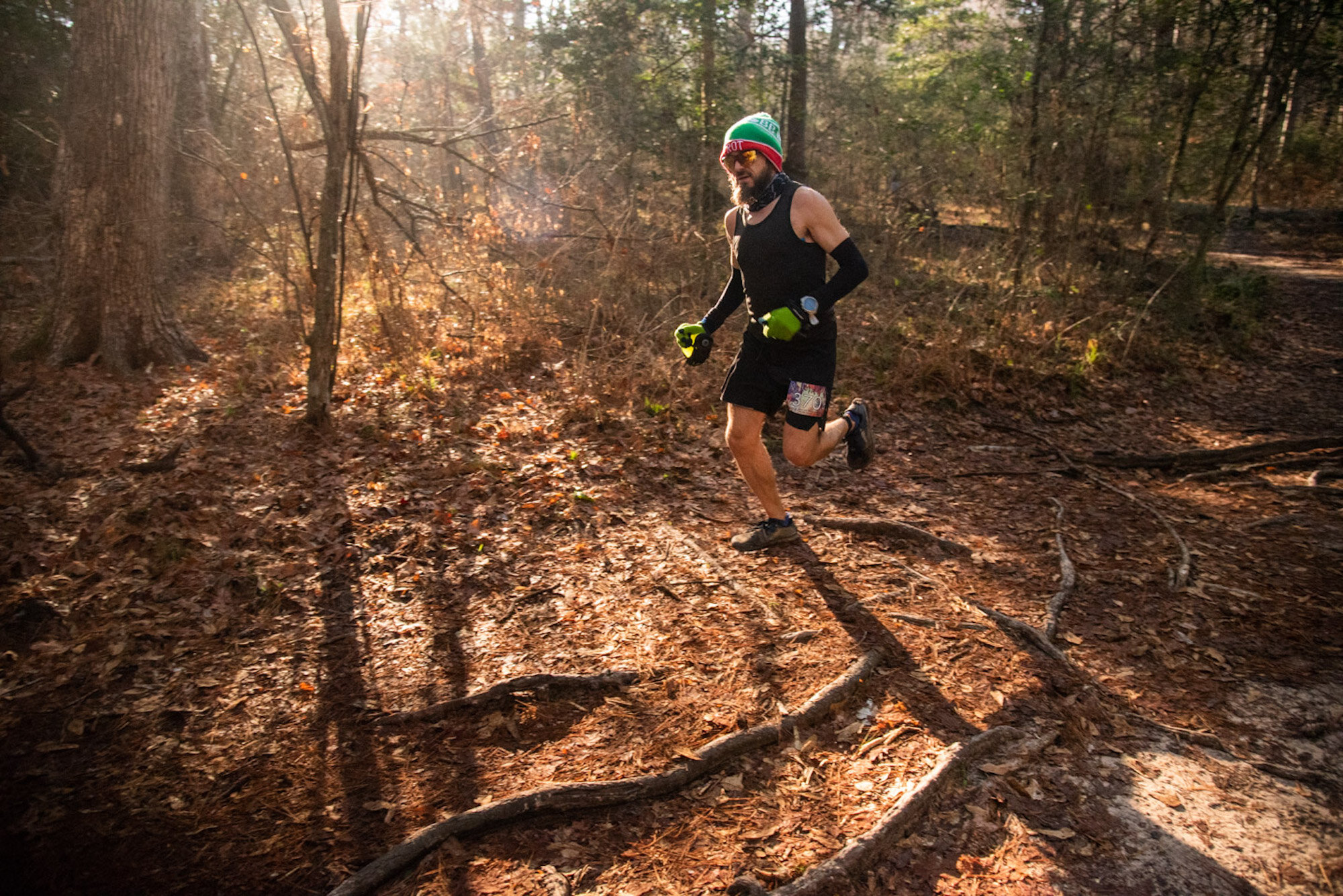
The race uses repeated 20-mile loops through the pine forest of Huntsville State Park. The terrain rolls rather than climbs into major mountains, altitude isn't a concern, and runners repeatedly return to familiar support.
Why it works
The loop format makes logistics relatively straightforward. After your first lap, you know what's coming. Your crew gets multiple opportunities to see you, and you don't need to coordinate support across a remote point-to-point course.
The rolling terrain also creates natural opportunities to hike without forcing you into huge mountain climbs.
What could catch you out
Rocky is runnable enough that going too fast early can become a serious problem. There are also plenty of roots, and running the same loop repeatedly isn't for everyone.
Best for
Runners who want to maximize their chances of finishing while still having a genuine trail 100 experience.
Trail
100 Mile
100 Mile · Multi-loop
Rocky Raccoon 100
Huntsville, TX · Feb 6, 2027
- Gain
- 6.3k ft
- Gain / mile
- 63 ft
2. Javelina Jundred
Best for atmosphere
McDowell Mountain Regional Park, Arizona
Javelina is part 100 miler, part desert festival.
The looped course keeps runners repeatedly returning to the event's central hub, where crews, spectators and other runners create one of the liveliest environments in ultrarunning. The course also avoids the extreme altitude and huge climbing found at many western 100s.
Why it works
The atmosphere can become a real advantage when you're deep into the race. Instead of disappearing into the mountains alone for hours, you're repeatedly brought back into the energy of the event.
The loop structure also simplifies navigation and support.
What could catch you out
Heat. Arizona desert exposure can turn an otherwise approachable course into a very different challenge. If you train in a cool climate, heat preparation should be part of your race plan.
Best for
Runners who want their first 100 to feel like a major event and feed off the energy of other runners and crews.

Trail
100 Mile
100 Mile · Multi-loop
Javelina Jundred 100 Mile
Fountain Hills, AZ · Typically October
- Gain
- 6.3k ft
- Gain / mile
- 63 ft
3. Tunnel Hill 100
Best if you want less climbing
Vienna, Illinois
Tunnel Hill follows a converted rail trail through southern Illinois. The crushed-limestone surface, gentle grade and low altitude remove many of the technical and climbing challenges associated with trail 100s.
Why it works
If you've built most of your endurance on roads, bike paths or flatter trails, Tunnel Hill lets you use the fitness you already have. You don't have to simultaneously learn technical mountain running while attempting your first 100.
What could catch you out
It's extremely runnable. That sounds entirely positive until you realize a mountain course naturally forces walking while Tunnel Hill may tempt you to run for far too long.
Flat terrain also means hours of repetitive movement using the same muscles.
Best for
Road runners moving into ultras or anyone who doesn't want climbing and altitude to determine whether they finish.
4. Mountain Lakes 100
Best if you still want mountains
Oregon Cascades
Maybe you don't want to remove the mountains. Maybe they're the entire reason you want to run 100 miles.
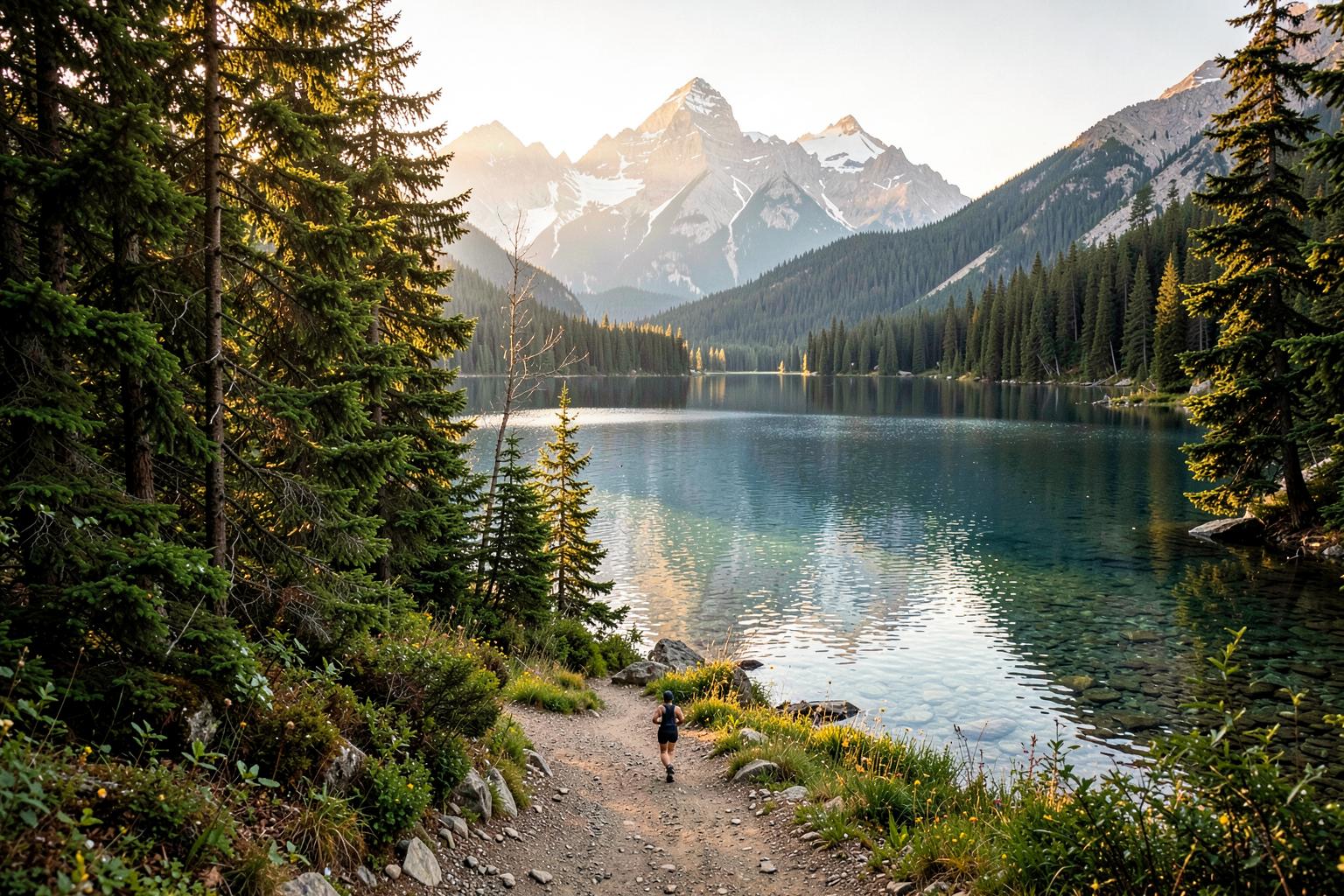
Mountain Lakes offers a genuine Pacific Northwest mountain-ultra experience, including forest, lakes and substantial time on mountain trails, without reaching the extreme altitude of races like Leadville.
Why it works
You still get a real mountain 100. There's meaningful climbing and more technical trail, but the altitude remains considerably more manageable than many famous high-country races.
For an experienced trail runner stepping up in distance, that can be a great middle ground.
What could catch you out
This is the most demanding course on this list from a traditional trail perspective. There's more climbing, more technical terrain and more remote running. You need to prepare for mountains rather than simply prepare for distance.
Best for
Experienced trail-ultra runners who want their first 100 to feel like a mountain adventure rather than simply the easiest route to a buckle.
5. Umstead 100
Best controlled first-100 environment
Raleigh, North Carolina
Umstead is almost purpose-built for this conversation. The event has historically encouraged runners making the transition from shorter ultras to 100 miles.
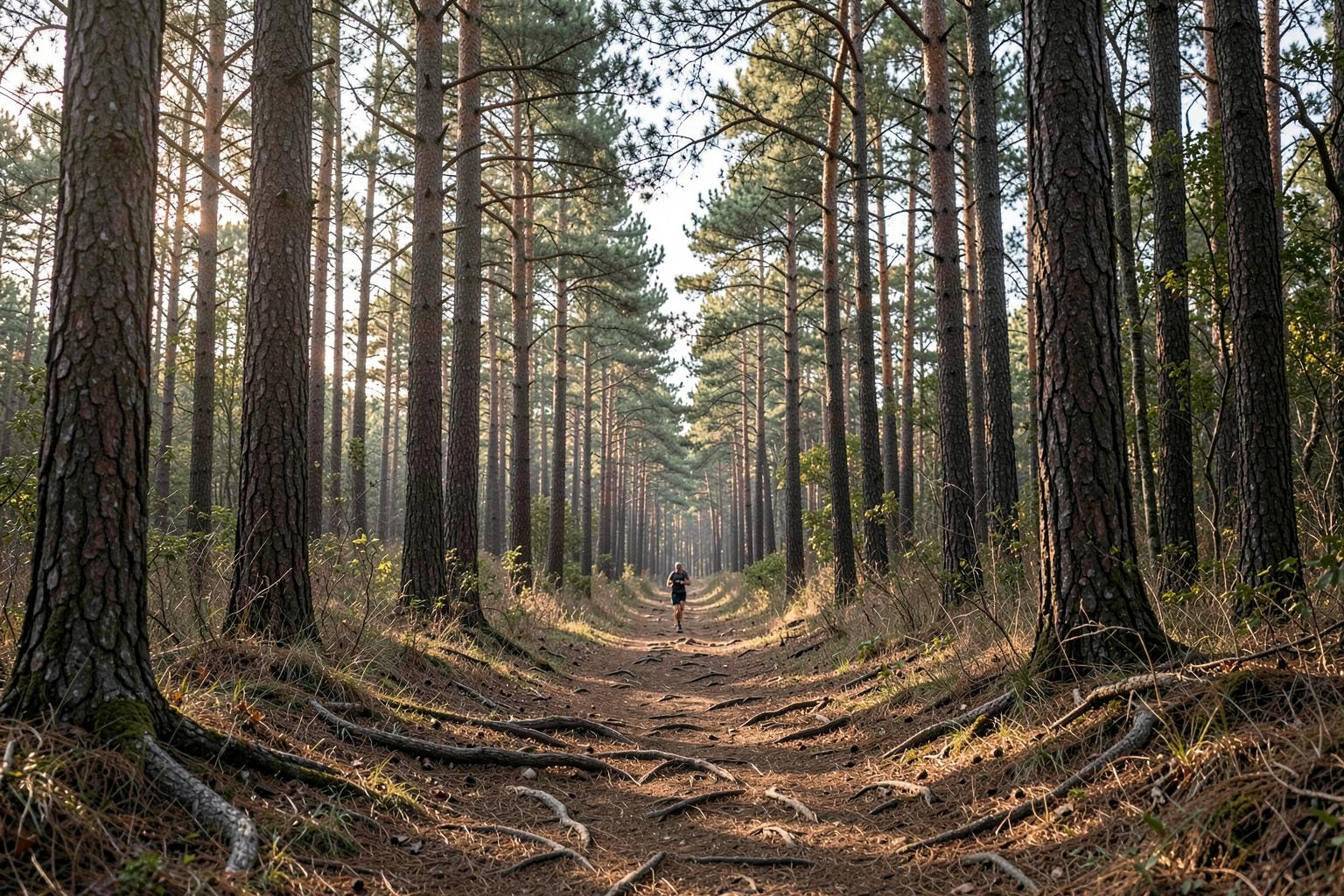
Runners complete repeated laps through William B. Umstead State Park, creating predictable access to aid, gear and crew.
Why it works
Predictability. Rather than thinking about 100 miles, you can break the race into repeatable laps. Your crew knows where you'll return, your gear can remain accessible and aid is never excessively far away.
What could catch you out
Repetition. If loops become mentally difficult for you, doing eight of them may outweigh the logistical advantages.
Entry can also be difficult, so always check current availability.
Best for
Runners who value predictable logistics and support more than constantly changing scenery.
How They Compare
| Race | Distance | Location | Next date | Registration | Terrain | Elevation gain | Course format | Cutoff | Crew |
|---|---|---|---|---|---|---|---|---|---|
| Rocky Raccoon 100 | 100 Mile | Huntsville, TX | Feb 6, 2027 | Registration open | forest, pine | 6.3k ft | Multi-loop | 32 hr | Allowed |
| Javelina Jundred 100 Mile | 100 Mile | Fountain Hills, AZ | Typically October | TBD | desert, singletrack | 6.3k ft | Multi-loop | 30 hr | TBD |
| Mountain Lakes 100 | 100 Mile | Olallie Lake, OR | Typically September | TBD | singletrack, rocky | 11.7k ft | TBD | 30 hr | Allowed |
| Umstead 100 | 100 Mile | Raleigh, NC | Apr 3, 2027 | Registration TBD | rolling, multi_use_trail | 8.0k ft | Multi-loop | 30 hr | Allowed |
- Distance
- 100 Mile
- Location
- Huntsville, TX
- Next date
- Feb 6, 2027
- Registration
- Registration open
- Terrain
- forest, pine
- Elevation gain
- 6.3k ft
- Course format
- Multi-loop
- Cutoff
- 32 hr
- Crew
- Allowed
- Distance
- 100 Mile
- Location
- Fountain Hills, AZ
- Next date
- Typically October
- Terrain
- desert, singletrack
- Elevation gain
- 6.3k ft
- Course format
- Multi-loop
- Cutoff
- 30 hr
- Distance
- 100 Mile
- Location
- Olallie Lake, OR
- Next date
- Typically September
- Terrain
- singletrack, rocky
- Elevation gain
- 11.7k ft
- Cutoff
- 30 hr
- Crew
- Allowed
- Distance
- 100 Mile
- Location
- Raleigh, NC
- Next date
- Apr 3, 2027
- Registration
- Registration TBD
- Terrain
- rolling, multi_use_trail
- Elevation gain
- 8.0k ft
- Course format
- Multi-loop
- Cutoff
- 30 hr
- Crew
- Allowed
Choose Rocky Raccoon if...
You want balance
The best balance of trail running, manageable difficulty and straightforward support.
Choose Javelina if...
You want energy
Atmosphere and energy around you when the race gets difficult.
Choose Tunnel Hill if...
You come from the roads
You're coming from a road-running background or want to minimize climbing.
Choose Mountain Lakes if...
You want mountains
The mountain experience matters as much as earning your first buckle.
Choose Umstead if...
You want predictability
Predictable logistics and frequent support are your biggest priorities.
What About Leadville?
Leadville absolutely can be someone's first 100. But "Can I run Leadville as my first 100?" and "What's a good default first 100?" are different questions.
Leadville adds significant altitude, mountain terrain and climbing to a distance that's already enormously difficult.
If Leadville itself is the dream, that's a powerful reason to train specifically for it. But if your main goal is simply to finish your first 100, choosing a lower-altitude race removes one major variable.
That's why Mountain Lakes makes this list instead: you still get a genuine mountain experience without spending the race at extreme altitude.
Which One Fits You?
If your biggest concern is finishing
Rocky Raccoon or Umstead
Start here.
If you're a strong road runner
Tunnel Hill
Look hard at it.
If you want a party
Javelina
The liveliest hub in ultrarunning.
If you want mountains
Mountain Lakes
Real mountains, manageable altitude.
If your crew is important
Rocky Raccoon, Javelina and Umstead
Loop races make logistics considerably easier.
If you hate loops
Tunnel Hill or Mountain Lakes
Don't ignore that just because a looped race looks easier on paper.
If you train at low altitude
There's nothing lesser about choosing a lower-altitude first 100. The distance provides enough difficulty on its own.
Should You Run a 50 Miler First?
You don't universally have to. But it's extremely useful. A 50 miler lets you discover problems that shorter races may never expose:
- Does your fueling still work after eight hours?
- What happens to your feet?
- Can you keep eating when you don't want to?
- How does your gear perform at night?
- Can you solve a problem when you're exhausted without convincing yourself the race is over?
Learning those lessons during a 50 can make your first 100 considerably less mysterious.
Some 100-mile races also require previous ultra experience, so always check entry requirements before building your season around a race.
Your First 100 Should Fit You
There isn't one perfect first 100. The right race depends on where you train, what terrain you enjoy, how much climbing you want, whether you'll have a crew and what kind of experience will keep you moving when things get difficult.
If your priority is simply maximizing your chances of earning that first buckle, start with Rocky Raccoon. If atmosphere matters, look at Javelina. If you're coming from the roads, consider Tunnel Hill. If you want a genuine mountain adventure without extreme altitude, look at Mountain Lakes. And if predictable support sounds perfect, keep Umstead on your radar.
Ready to find yours?
Tell RaceBound what you're looking for.
"Beginner-friendly 100 miler with moderate elevation, good support and no extreme altitude"
Find My First 100Keep exploring
100 Milers · 6 min read
100-Mile Races Without Extreme Altitude
Hundreds that stay low enough that thin air is not the main problem.
Oct 16, 2026
 Featured
Ultras · 6 min read
Best First 50K Trail Races to Run in 2027
Approachable 50Ks for runners stepping past the marathon for the first time.
Oct 16, 2026
Scenery · 5 min read
Most Scenic 50K Trail Races
50Ks where the view is the reason you sign up.
Oct 16, 2026